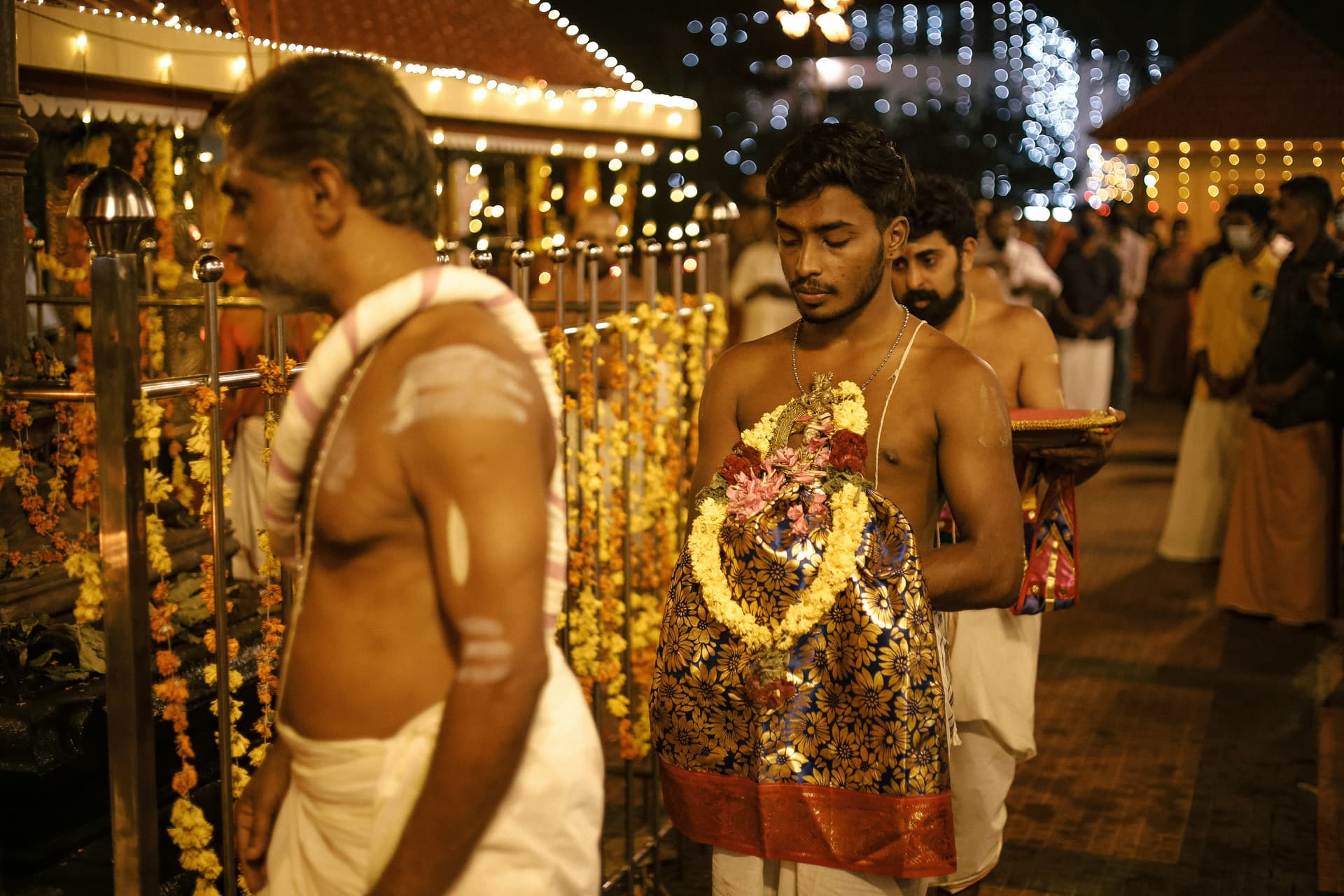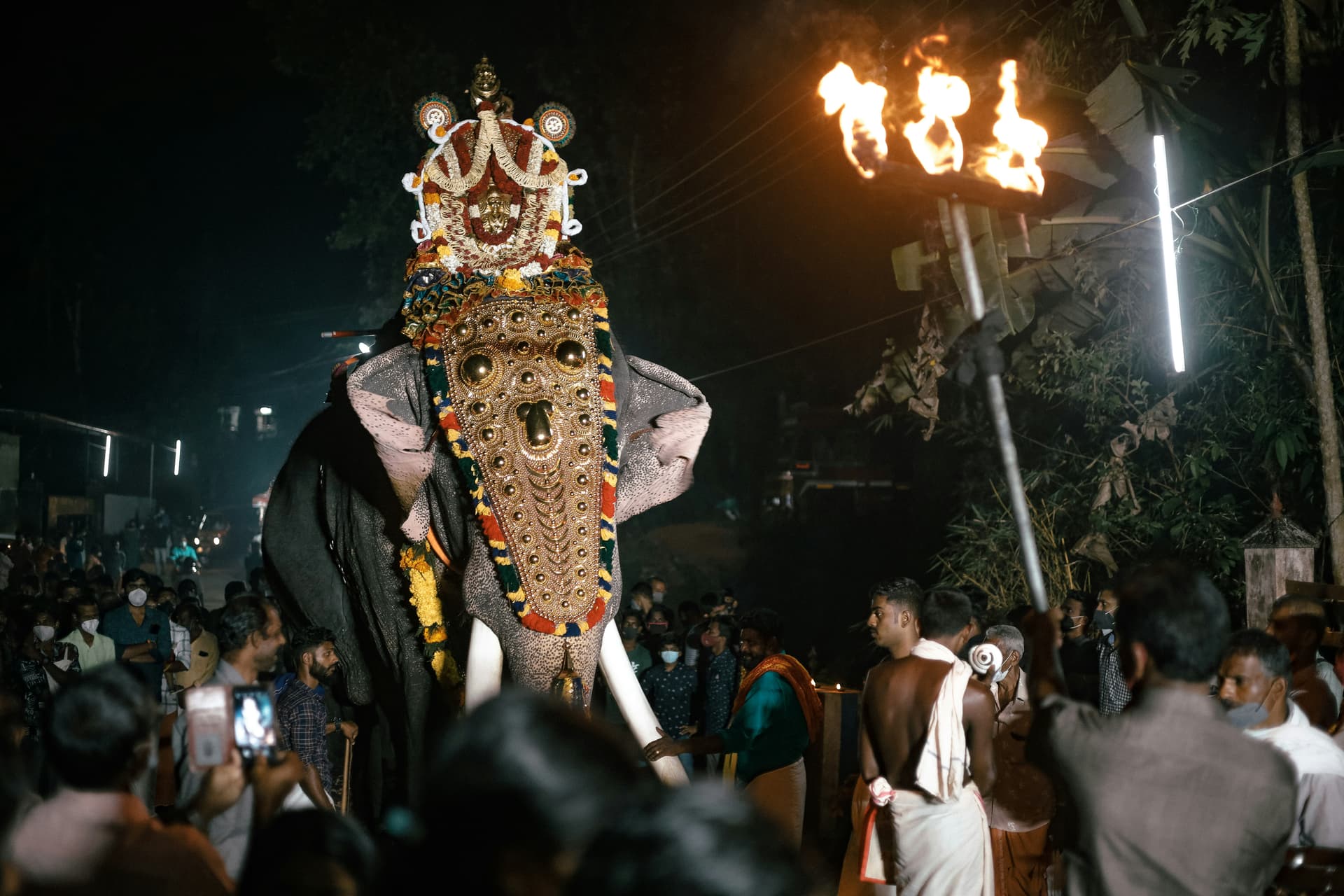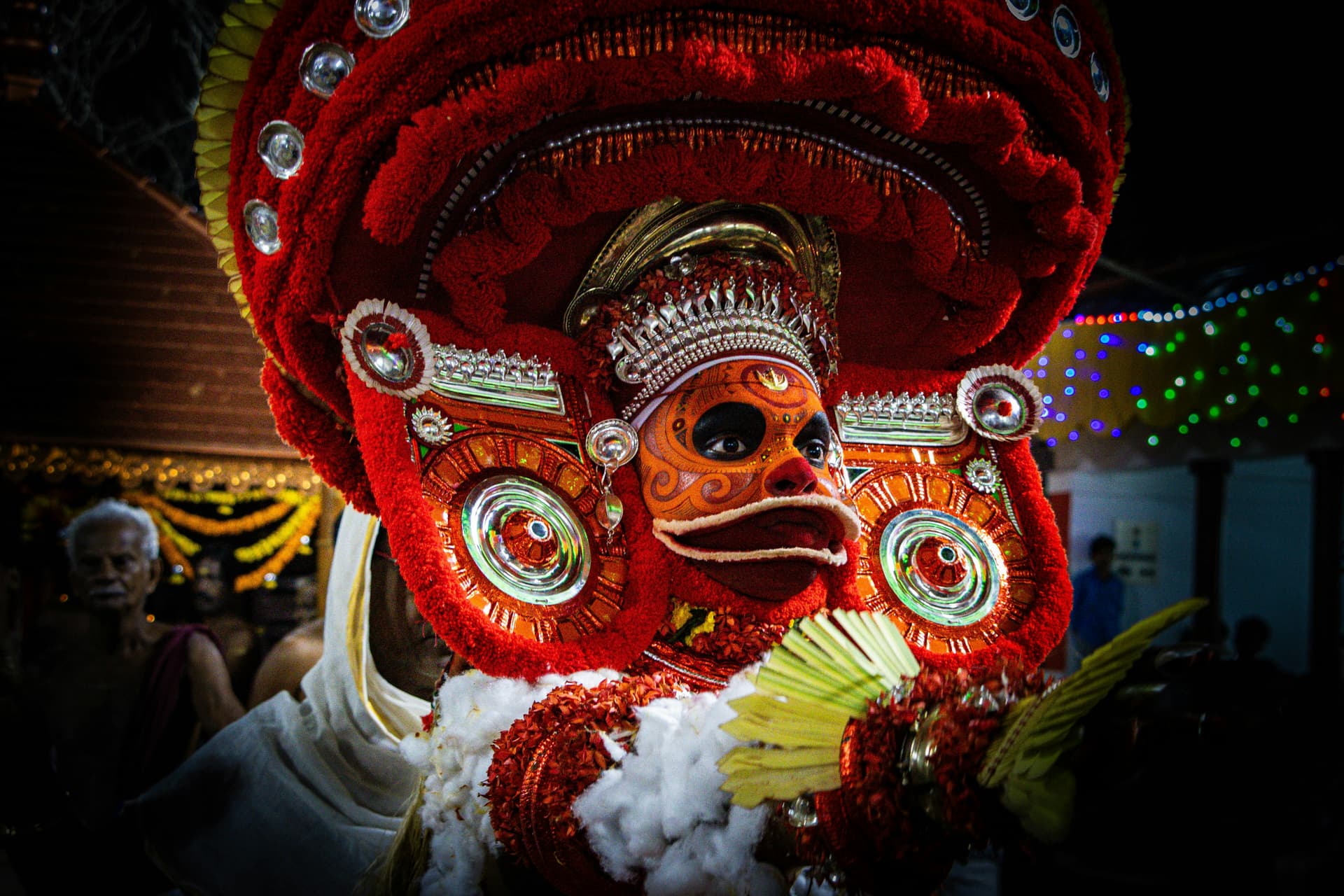
Photo by Anushtup De on Unsplash
Location
Sabarimala, Pathanamthitta district, Kerala
Duration
5–7 days
Frequency
Annual
Language
Malayalam, Hindi, Tamil
Upcoming confirmed & estimated dates
No upcoming dates listed yet.
Makaravilakku is a significant annual religious festival in Kerala, marking the culmination of the 41-day Mandala-Makaravilakku pilgrimage season to the Sabarimala Sree Ayyappan Temple. Held in the dense forests of the Pathanamthitta district, it's primarily observed by devotees of Lord Ayyappa, drawing millions from across India and abroad. The festival's unique feature is the sighting of the Makara Jyothi, a celestial star, and the ritualistic Makaravilakku light appearing on the distant Ponnambalamedu hill. What makes Kerala's version distinctive is its intrinsic link to the Sabarimala pilgrimage, a journey undertaken with rigorous vows. Pilgrims, not typical tourists, would find this a deeply spiritual experience.
What to experience at this festival
Travel Tips
Expect extremely large crowds, particularly on Makaravilakku day (January 14th). Millions of devotees gather, making movement slow and facilities stretched. Plan for long waiting times and ensure personal safety.
Accommodation options immediately near Sabarimala are primarily basic pilgrim facilities. For more comfortable stays, consider towns like Kottayam or Chengannur, but expect elevated prices and book well in advance due to high demand during the festival season.
Nearest major railway stations are Kottayam (approx 90 km) and Chengannur (approx 90 km). The nearest bus stop is Pampa, from where the trek to the temple begins. Public KSRTC buses run to Pampa during the season.
Restrictions
Access to Sabarimala is primarily by foot after reaching Pampa; no direct vehicles reach the temple. Women between the ages of 10 and 50 were historically prohibited from entering the temple, though the Supreme Court overturned this ban in 2018, there is still mention in some sources of only women over 50 and girls between 1 and 9 being permitted.
Devotees undertaking the pilgrimage adhere to a strict 41-day vratham, which includes abstinence from alcohol, non-vegetarian food, and maintaining celibacy. Satvik (pure vegetarian) food is consumed during the festival.