Photo by Tanusree Mitra on Unsplash
Location
Kolkata, West Bengal
Duration
1 day
Frequency
Annual
Language
Bengali, Hindi
Upcoming confirmed & estimated dates
2026
15 Nov
estimated from historical pattern
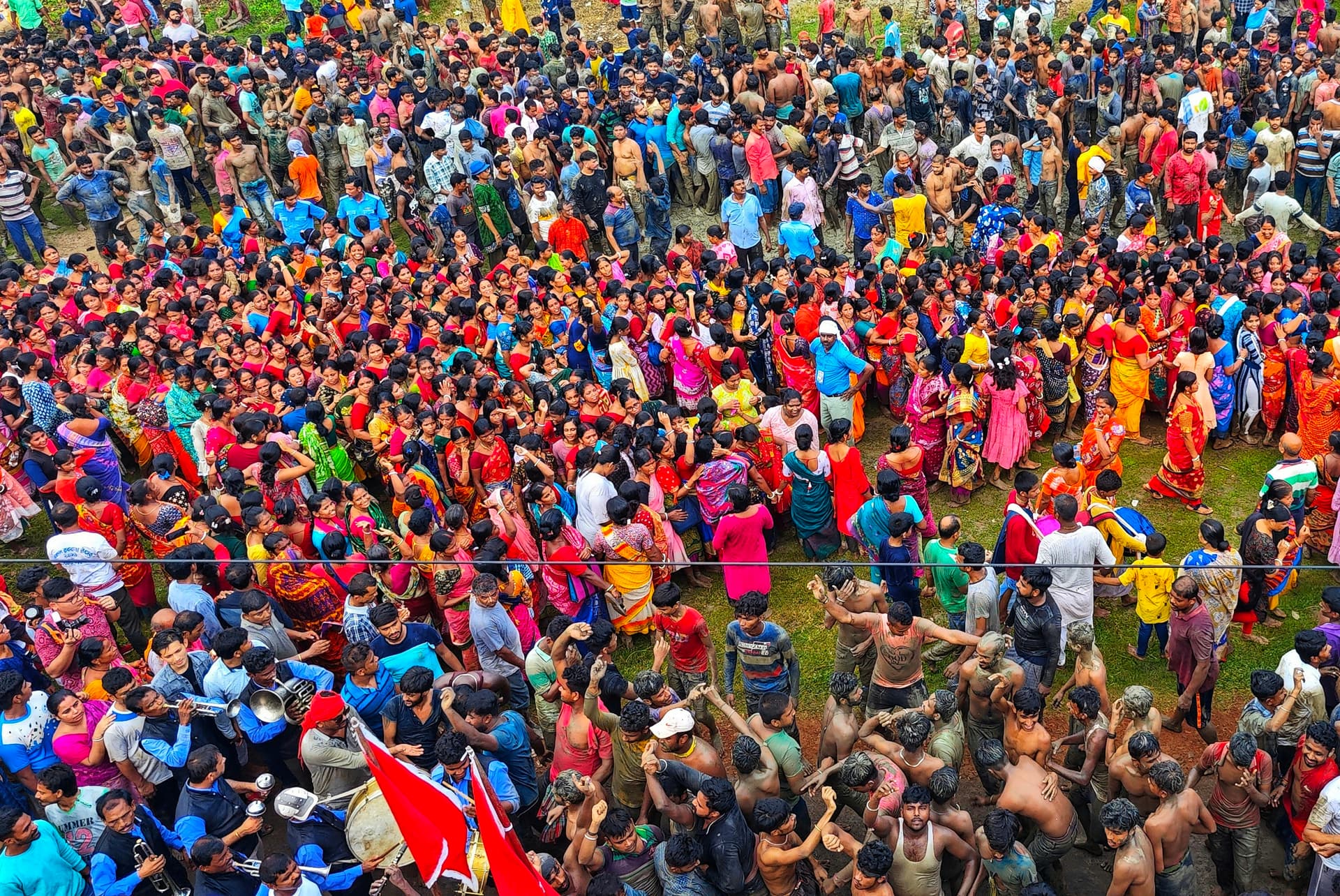
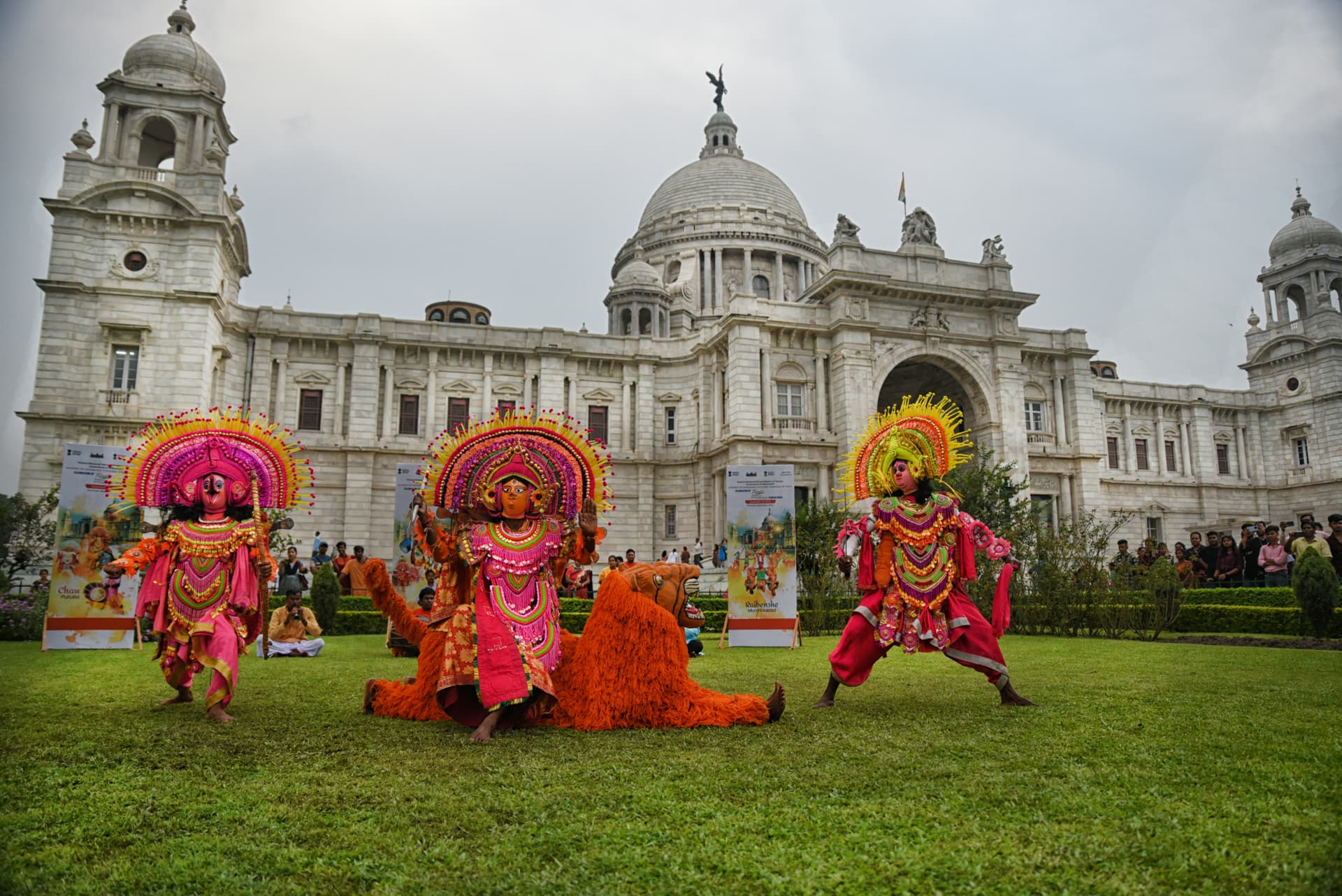
Nabanna Festival in West Bengal is a significant harvest celebration marking the arrival of the new Aman paddy crop. This cultural and agricultural festival is deeply rooted in Bengali traditions, observed by farmers and communities across rural West Bengal, and also celebrated through organized events in urban centers like Kolkata. It’s a thanksgiving to nature and deities like Goddess Lakshmi and Annapurna for a bountiful yield, distinguishing itself with specific Bengali rituals. The festival is an excellent opportunity for foodies, cultural enthusiasts, and travelers looking to experience authentic Bengali agrarian customs and traditional folk arts. While primarily a family and community event in villages, public fairs and cultural programs in cities like Kolkata offer a broader spectacle of local heritage.
What to experience at this festival
Travel Tips
While Kolkata hosts public events, the core of Nabanna is celebrated in rural, agricultural areas. For an authentic experience, consider visiting smaller towns or villages in districts like Bardhaman or Birbhum, keeping in mind that tourist infrastructure may be limited there.
Nabanna is traditionally a one-day event falling in mid-November, with specific dates varying annually based on the Bengali calendar. Cross-check the exact date for your travel year, typically the 1st day of the Bengali month of Agrahayan.
Accommodation in rural areas of West Bengal can be basic or scarce during festival times. If planning to stay outside major cities, book homestays or guesthouses well in advance. In Kolkata, budget hotels are available, but prices may see a slight increase during peak season.
Carry sufficient cash, especially if venturing into rural areas or smaller fairs, as digital payment options might not be universally available. Local markets and street vendors often prefer cash transactions.