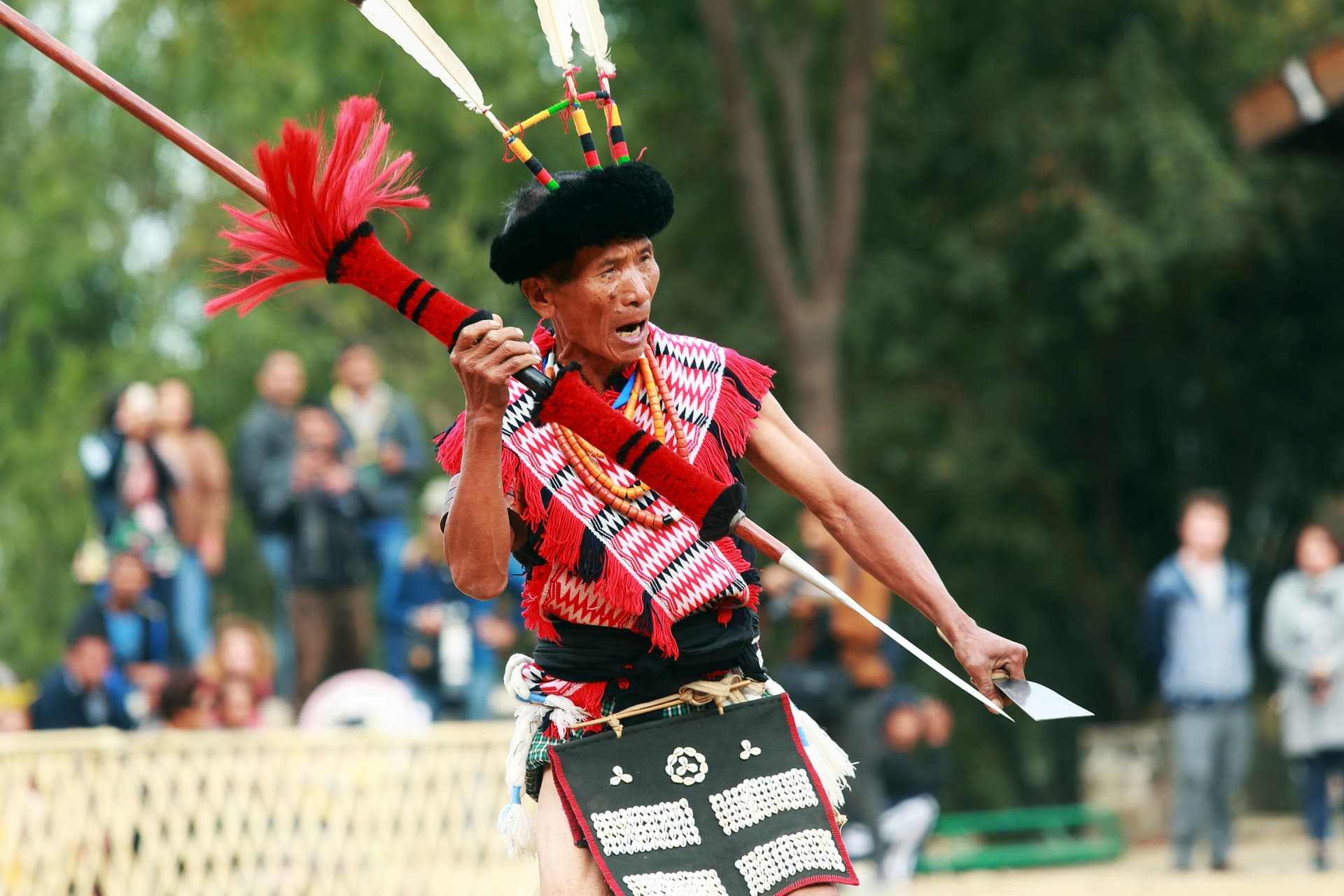
Photo by MOHAMED ABDUL RASHEED on Unsplash
Location
Zunheboto, Nagaland
Duration
7 days
Frequency
Annual
Language
Sumi, Nagamese, English
Upcoming confirmed & estimated dates
2026
8 Jul – 14 Jul
estimated from historical pattern
Tuluni Festival in Nagaland is the principal harvest festival of the Sumi Naga tribe, primarily celebrated in the Zunheboto district and other Sumi-inhabited areas like Kohima. It marks the end of the sowing season and is a period of thanksgiving for abundant crops, reflecting the Sumi community's strong agrarian roots. The festival is deeply cultural, stemming from pre-Christian animist traditions where prayers are offered to Litsaba, the deity of fruitfulness, for prosperity and longevity. Unique to Nagaland's Sumi celebration are the elaborate communal feasts, the brewing and consumption of 'Tuluni' rice beer served in plantain leaf goblets, and the significant practice of exchanging gifts between betrothed couples, often culminating in marriages. This festival attracts those seeking an authentic glimpse into indigenous Naga customs, traditional food, and community bonding.
What to experience at this festival
Travel Tips
Accommodation options in Zunheboto and other smaller Sumi villages, particularly during the festival, can be limited. Book homestays or guesthouses several months in advance to secure a suitable stay.
Cash is essential as ATMs are scarce outside major towns like Kohima and Dimapur, and digital payment options may not be widely accepted in smaller Sumi villages. Carry sufficient cash for your expenses.
Show respect for local Sumi customs; dress modestly, especially when visiting villages or participating in gatherings, and always ask permission before photographing individuals.
Restrictions
An Inner Line Permit (ILP) is mandatory for Indian citizens to enter Nagaland, available online at ilp.nagaland.gov.in or at entry points like Dimapur. Foreign nationals require a Restricted Area Permit (RAP), typically arranged through tour operators.
July falls within the monsoon season in Nagaland, which means heavy rainfall and potential travel disruptions. Roads, especially in remote areas like parts of Zunheboto, may be challenging; pack appropriate rain gear and footwear.